How Wealthy Families Can Better Avoid Losing Capital By The Third Generation
The article was originally published in Forbes Finance Council.
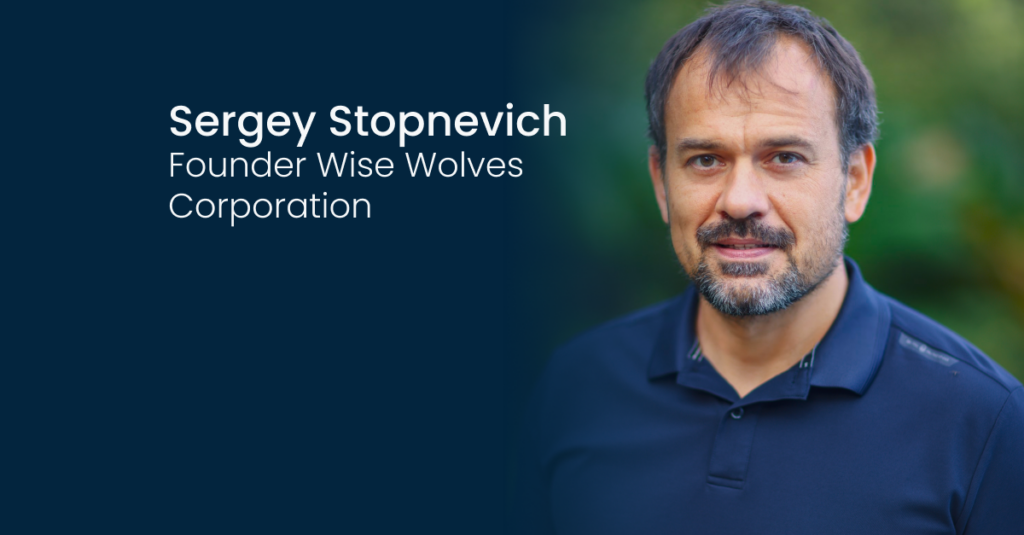
In my experience advising multigenerational families, significant capital is almost always the product of visionary decisions, calculated risk-taking and unwavering discipline. While building wealth demands extraordinary effort, preserving it across generations is the ultimate measure of success for any family enterprise.
Across the global private wealth landscape, a striking pattern emerges: By the third generation, a substantial share of family capital has often dissipated. The phenomenon is widely known in wealth management circles as the “shirtsleeves to shirtsleeves in three generations” principle. It appears across cultures, and the pattern is consistent: The first generation builds wealth, the second inherits it with some memory of how it was created and by the third, that connection is largely gone. Assets have fragmented, governance structures are absent, legacy businesses are liquidated and heirs are often unprepared. Without deliberate structure and governance, even the most robust portfolios are vulnerable to gradual erosion—a reality I have observed repeatedly in my advisory work.
Trusts As A Way To Help Preserve Family Capital
Family capital is not merely personal fortune but a system consciously designed to endure. When families begin to prioritize preservation over growth, the conversation necessarily evolves. The focus becomes less about short-term performance and more about establishing enduring principles and disciplined frameworks. Lasting wealth requires mechanisms that outlive any single individual while ensuring continued alignment with the family’s vision.
Trusts and family foundations have long served as essential instruments for this purpose. A trust is more than a legal structure; it is the blueprint for multigenerational stewardship. By defining beneficiaries, specifying timelines for access and codifying long-term priorities, trusts can help convert private wealth into a legacy system.
Over time, however, even well-established trust models face new questions, especially around trust and control.
From External Trustees To Family Governance
In the past, the model was simple. Assets were transferred into an offshore trust and managed by an external trustee. Jurisdictions such as Delaware, Jersey and Cyprus became well known for these structures. When everything worked smoothly, they provided stability and legal protection.
However, as I have seen in practice, robust legal structures alone do not guarantee a sense of control or alignment with family values. This realization is catalyzing a shift in approach: While trusts remain foundational, strategic decision-making is moving closer to the family itself.
Today, many families prefer a hybrid model. Instead of handing over all authority, they create a holding company, often an SPV, with a board that may include family members as well as independent professionals. This keeps the legal structure intact while allowing the family to stay involved in strategic decisions.
Inheritance Without Conflict
Without clear planning, the same story tends to repeat. A successful founder passes away, leaving businesses, property and a complex family structure. Rather than continuity, disputes begin. Legal processes can take years, assets are sold too quickly, and relationships suffer.
A well-designed trust structure changes this dynamic. Heirs step into an existing system with defined roles instead of negotiating over individual assets. Key holdings remain within a single framework, which helps avoid the break-up of businesses or long-term investments simply because an agreement cannot be reached.
Every family is different, and no structure works as a template. Some heirs want to be deeply involved, while others prefer different paths. Conditions for governance can be set in advance, such as requiring board membership only after reaching a certain age or level of experience. This creates a balance between individual freedom and long-term stability.
In more complex families, a main trust may eventually lead to separate structures for each branch of the family. Over time, this creates a kind of family tree of capital, where each generation has autonomy while still following a shared direction.
When Structure Becomes A Sign Of Maturity
For many wealth creators, trusts are not only about taxation. The real shift happens when they realize two things. First, they have built something meaningful. Second, preserving it requires thinking beyond a single lifetime.
Establishing a family governance structure is not simply a defensive measure—it represents a maturation of family wealth. Long-term responsibility becomes a core strategic pillar. In my work, I have found that starting these conversations early empowers families to define shared values, prepare the next generation and transform inheritance from a source of conflict into a foundation for purposeful continuity.
The information provided here is not investment, tax or financial advice. You should consult with a licensed professional for advice concerning your specific situation.