Founder
Transfers assets


Professional management
and protection of your capital

An investment trust is a legal structure in which a Settlor transfers assets to a Trustee to manage and grow on behalf of designated beneficiaries. It supports capital preservation, asset protection, and tax transparency, while providing access to professional investment strategies.

Protect the owner or the company from adverse legal or regulatory consequences

The trust is transparent from the point of view of taxation, and until payment to specific beneficiaries, there are no tax consequences

The founder / beneficiary is not recognized as a registered owner and is not obliged to submit information on the turnover / activity of the trust to the tax authorities of your country of tax residence

Get all the advantages of investing in securities (including – the safety of capital, prompt circulation in money, a favourable percentage of profitability)

When creating a Trust, the founder gets the opportunity to give Trustee recommendations on investing in the high-yield financial instruments that are available exclusively to professionals on the stock market

The Trustee team has highly qualified professionals in the financial, corporate, legal and managerial departments, capable of comprehensively assessing investment risks
Cyprus offers a reliable and flexible legal framework for trust structures combining common law principles with favorable tax treatment and a high level of discretion. This makes the jurisdiction well suited for asset protection, estate planning and international wealth structuring.
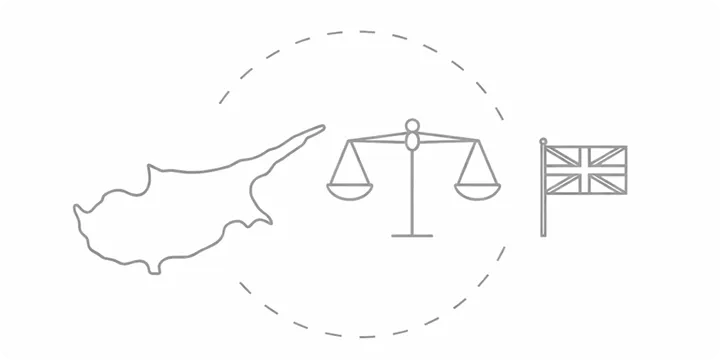
Cyprus trust law is based on English common law principles, ensuring legal certainty and international recognition.
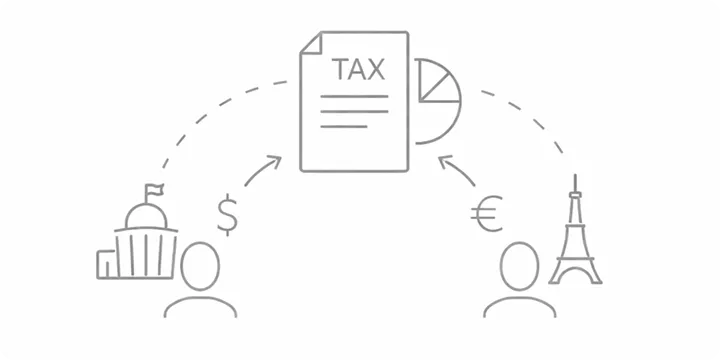
Trusts are treated as tax-transparent structures, allowing for efficient tax planning depending on the tax residency of the parties involved.

Cyprus does not impose inheritance or gift taxes, making trusts an effective tool for succession planning.

The scope of information disclosure is determined by the Trustee, who decides which details are subject to disclosure, in accordance with applicable legal and regulatory requirements.
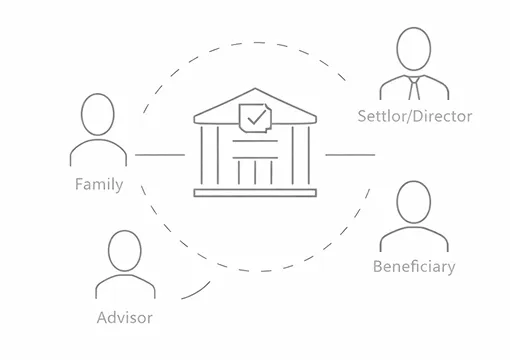
The Settlor may establish a private trustee company and act as its Director, while also being a Beneficiary of the trust. Family members and independent advisors may also be appointed to the Board of Directors, allowing for tailored governance and oversight.
Transfers assets

Manages assets according
to Founder's preference

Is supervising


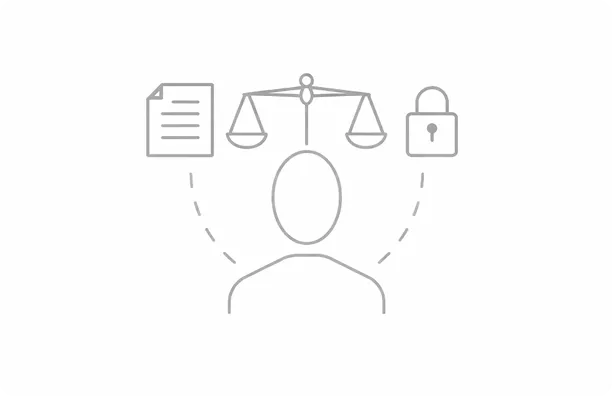
Extent of the Trustee authority to manage assets of the Trust.

Person to further supervise actions of the Trustee, as well as asset distribution to beneficiaries if needed.

A tool that allows the Founder to set his own goals and ambitions regarding the asset, so that Trustee can adjust his activity accordingly.
Contact our team
Schedule a meeting so we can understand your needs and goals
Together, we'll develop a personalized plan for successful collaboration

Frequently Asked Questions
This is an agreement where the property owner (Founder) transfers legal rights to property (Trust Assets) to an independent natural or legal person (Trust) to own this property in favor of another person (Beneficiary) on certain conditions and certain powers.
These terms and conditions are set out in Trust Agreement
Yes. A trust can serve as a readily convertible investment instrument. For one of our clients, it became the perfect solution to convert assets into cash efficiently while avoiding exposure to banking risks.
Absolutely. A trust allows you to optimize taxation while at the same time retaining full control over your business operations and investment decisions. One of our clients successfully reduced their tax burden while continuing to manage and grow their assets through a trust structure.
Yes. A trust makes it possible to withdraw part of the capital, assign specific beneficiaries, and design tailored investment strategies for them. This structure diversifies risks and ensures that assets are managed with the long-term interests of your beneficiaries in mind.
Investment trusts can be applied in a wide range of scenarios. They are commonly used for holding and managing international investment portfolios, separating personal wealth from corporate risk, and gaining access to private equity and structured investment opportunities. Entrepreneurs often use trusts for pre-exit planning, while high-net-worth individuals benefit from cross-border asset consolidation and efficient wealth management.
Any individual or legal entity chosen by the Founder can become a Beneficiary. This may include family members, business partners, or even charitable organizations.
Almost any type of asset can be included: real estate, shares, securities, cash, intellectual property, or other valuable assets, provided they are legally transferable.
No. Trusts are private arrangements. The details, including Beneficiaries, assets, and terms, remain confidential and are disclosed only in accordance with legal requirements.